
The first thing people notice is that it comes in a glass rather than a cup, and usually one narrow enough to hold at the rim without burning your fingers. That is not decoration. You are supposed to see the colour, which should be somewhere between amber and dark honey, and the glass is the only way to judge it.
How it is made
Loose leaf, always, in a small pot that sits on top of a larger pot of boiling water. The steam keeps it hot without ever letting it boil, because boiled tea goes bitter and no amount of sugar puts that right. It brews for ten or fifteen minutes and is then poured through, strong, and let down with hot water from the pot beneath to whatever strength you like.
Ask for it kamrang if you want it pale, or porrang if you want it dark. Nobody will mind. It is a normal thing to ask.
The sugar goes in your mouth, not the glass
You will get a small dish with the tea: sugar lumps, and usually dates or a little sweet. The lump goes between your teeth and the tea is drawn through it. It sounds odd until you try it, and then it makes complete sense, because it sweetens the sip rather than the pot and the last mouthful tastes the same as the first.
Sugar in the pot sweetens everything equally. Sugar in the mouth sweetens the sip you are actually drinking.
Why we do not bring it with the bill
Because the tea is not the end of the meal, it is the last part of it. In most homes the pot goes on the table and stays there, and people sit around it long after the food has gone. That hour is the reason for the meal as much as the food was.
So we will not bring your bill with the tea, and we will not hover. When you want it, catch somebody's eye. Until then the pot is yours and there is more water underneath it.
What to have with it
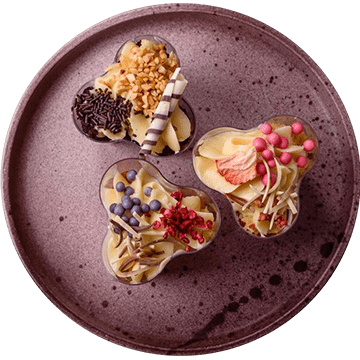
- Dates, which is the classic, and which most people find is enough sweetness on its own.
- Sohan, a saffron brittle that is best broken and shared rather than eaten whole.
- Nothing at all, which is what most of the kitchen does at the end of a shift.
Come and eat
Read it, then taste it.
The grill is on from noon. Book ahead or walk in.